

The Waltz, Now That's Classy
/
The Waltz, Now That’s Classy
John Paul Derryberry
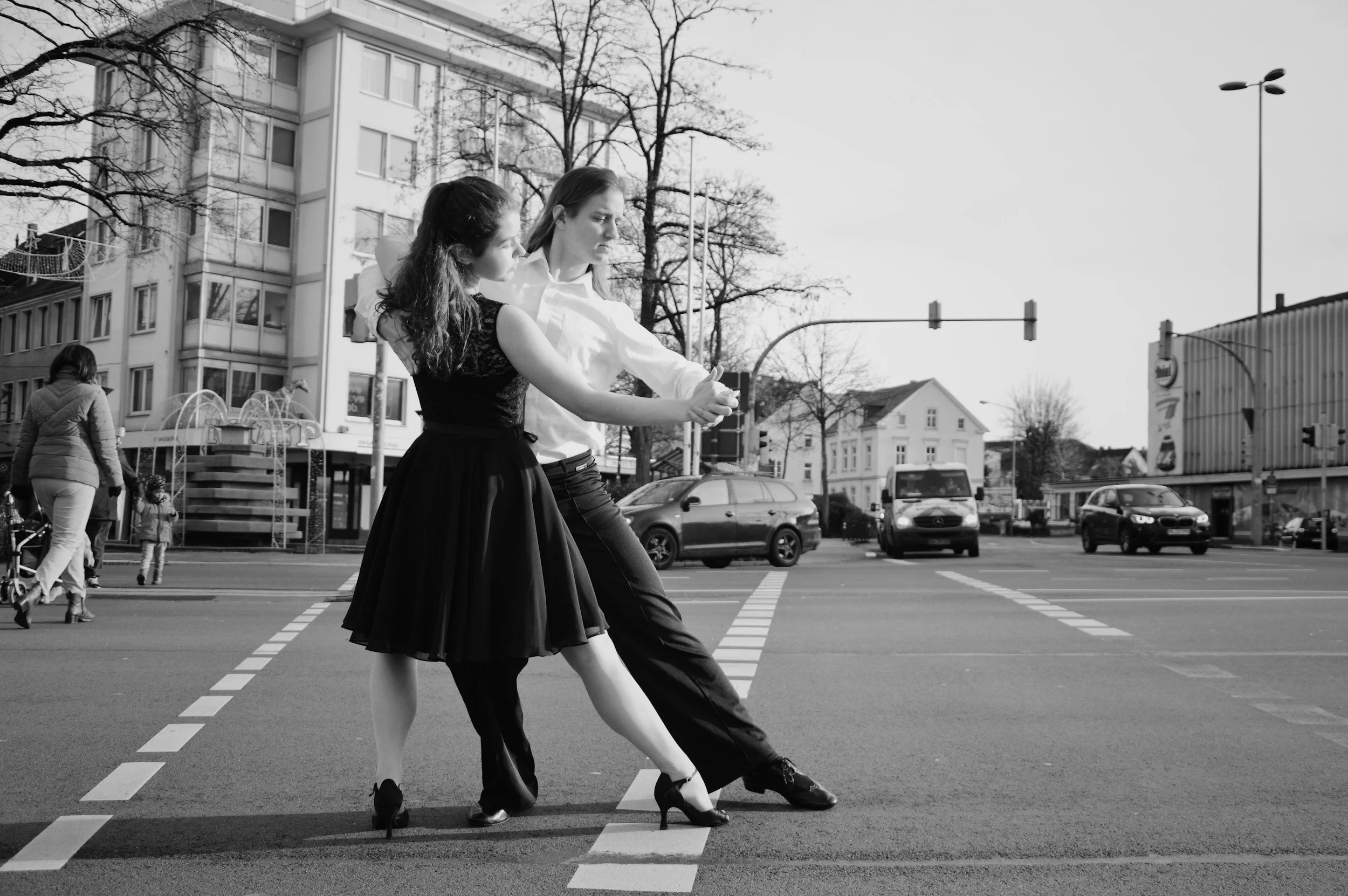
“What is this place? The tiny town from Footloose,” I joked when my request to have the teens in my program learn to dance was denied at first. I clarified that the waltz doesn't automatically lead to inappropriate behavior, contrary to what some higher-ups might have thought. I hope no waltz enthusiasts are upset by that assumption. Eventually, we were granted permission to teach the dance—after business hours, when no one else was around. So, my Footloose reference suddenly seemed perfectly fitting.
As the kids improved their waltz skills, I remember a co-worker started to get after them about their posture. At first, it was an odd intervention. Normally, we were hoping to keep them on task and get them to think things through. Now, all of a sudden, we were correcting elbow position, back straightness, and their footwork. As the weeks passed and they got better, we noticed a decrease in disruptive behaviors, less violence, and more internal processing of emotions. While I would love to say it was the waltzing that made this happen. As the years have passed, it has become only slightly related to the dancing; it was the team I worked with that raised expectations and changed the dynamics.
I think we forget it’s the people who respectfully, compassionately, and patiently never lower the bar of expectations, but work with us to meet that bar in classy ways that have the biggest impact on us. You can’t haphazardly tape a marker-drawn sign to the side of a wall and expect it to instill hope. It shows you are putting no effort into the outcomes, so why should anyone you're helping put forth any effort? I get it, just having an open door seems like a wonderful way to help people. It just never works the way we hope it would. They see no standards, just the bare minimum effort, and the talk turns to the number of people we are around, not the outcomes we achieve. I distinctly remember sitting in a large space, hearing about how we serve over 900 people, never once did we hear about the percentage that received a high school diploma, reduced their need for services, or countless other outcomes that would have meant they needed us less and were more independent.
All these years later, I’m fully aware that services and help without some standards, without some class attached, take everyone pretty much nowhere. Standards matter, ethics are non-negotiable, and boundaries are a must. I guess you can say all these years later, I’m still teaching the folks the waltz. Showing them that elbow placement matters, shoulders back, and a straight spine give you the aura of confidence. A little class goes a long way in times of despair and hope. Learning the steps is important; only after we learn can we add our own little flair to the moves. When you do that, you will hear what the first group I took through those lessons did from their family and friends-"wow, the waltz is so classy, didn’t know you had that in you."