

Connective Tissue
/
Connective Tissue
John Paul Derryberry
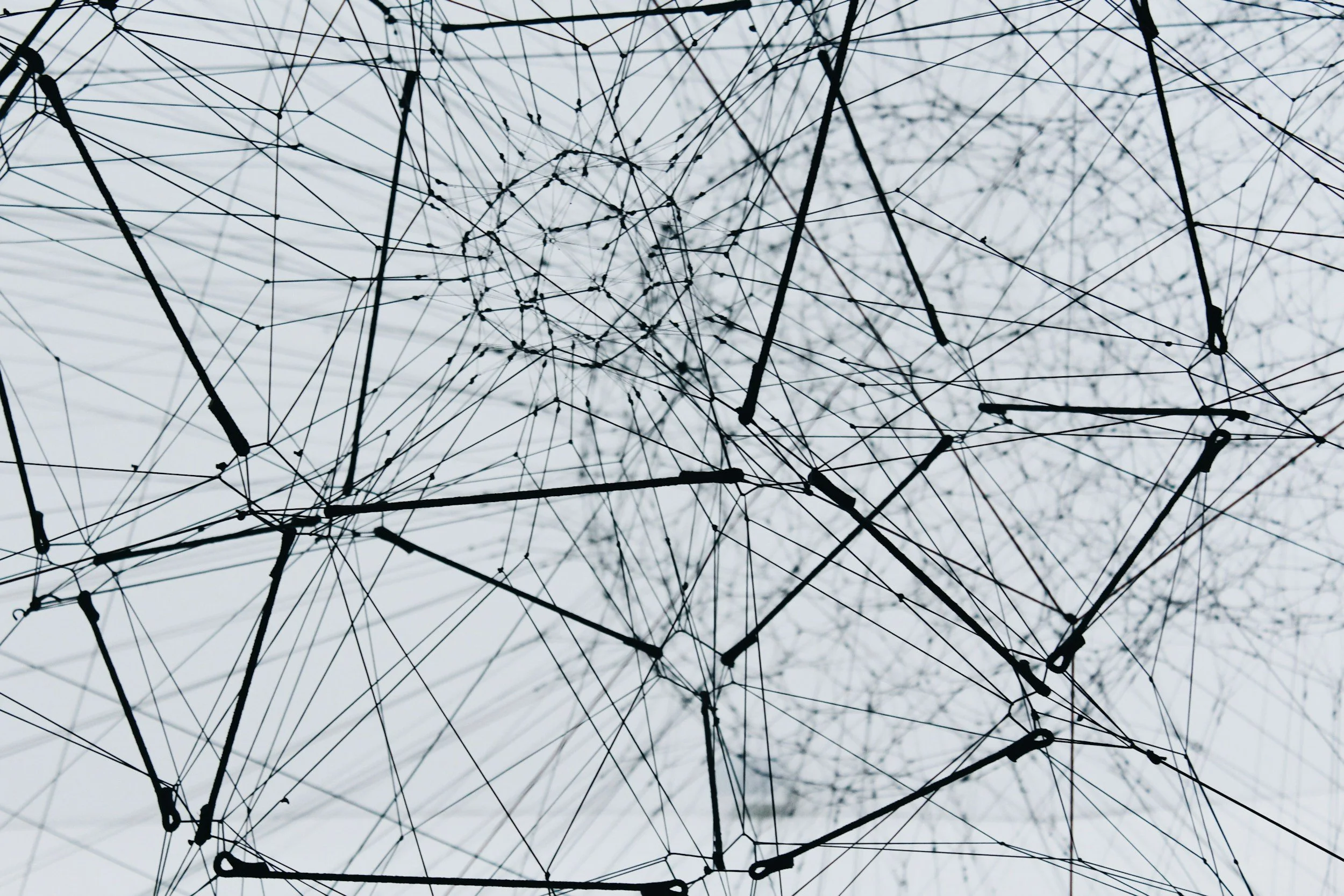
At my daughters’ swim lessons, I witnessed the twenty-something lifeguard do a front slip into a dive off the low dive. My first thought was that I no longer possess the ability to even think about pulling off a move like that. I wouldn’t walk right for a week. The second thought was that our ability to complete such complex movements is truly the stuff we should more often file under incredible moves. Most of us do not ponder the complex and flexible way the 86 billion neurons in our brains somehow spit out so many varied opinions, facts, thought patterns, and actions. Yet I find myself today examining connective tissue more often than other things, going down the curiosity rabbit hole. It’s a fascinating concept, what binds movement, thoughts, and people together. The Connective tissue we grow as we are often not seen as the stuff needed for big things to happen. I would argue nothing big happens without it.
I remember a certain supervisor followed their dream and took the promotion they were offered. Within two years of what they had built, the reason for the promotion to begin fell apart. They were, in fact, the connective tissue holding it all together. We have all probably experienced this phenomenon: the bond of the group, the person who connects everyone, has something happen where they exit the group, and the group slowly but surely falls apart. It’s not their fault that the project, the group, and the movement disbanded; there was just no other connective tissue holding them together. An interconnected, strong web of connective tissue has come to life for life-changing moments.
No Olympian or weekend warrior finally cracks the code for their personal best time without strengthening their connective tissues. No scientific breakthrough can occur without flexible thinking, with someone connecting unseen findings to unknown answers and creating connective tissue where most people see none. Nothing halts progress like damaging or losing the connective tissue. I think it’s one thing certain leaders count on with the way they paint people, relationships, and situations in black and white. They want to disconnect the connective tissue, the bonds, and make the space between people seem a thousand miles apart.
I often come back to research on how lonely so many of us feel, and it always has me circling back to connective tissue. And think about who we often miss when we discuss former supervisors, co-workers, friends, or even significant others; it’s the ones who connected us to as much as they could to all that life could offer. They were flexible, and they helped us move and helped us realize our vision. Being connected is such a deliberate act, so easy for all of us to drift apart. It’s scary, in a sense, to stay grounded in who you are while being flexible enough to move with other people. Most of society would always stay grounded in who you are. Well, what if you are kind of needing to move? What if you are in need of growth? What if you need a connection?
It’s those that bridge between you and who we want to be that create meaning. It’s those who see connection where most see difference. I remember the first time I was ever asked to speak with the police force in South Eastern Iowa about disabilities. I thought that social work and policing have in common that we are on completely different teams. But in reality, we are on the same team, using different tools to create a safer, better community. I’m sure there is a physical therapist or strength coach out there who could help my body flip off the diving board again. Life is meant to be a shared experience with twists, turns, ups, downs, and hopefully, we find the people with whom we connect enough to understand it’s never about tearing things apart, but it is about constantly creating connections that we will find ourselves in a better place, individually and as a community